

-
Law Abiding Citizens
We have a New Fraqqle Rock Thread to continue the original Dance Your Cares Away mega thread, which is now securely archived to reduce the tremendous load on site resources.
You are using an out of date browser. It may not display this or other websites correctly.
You should upgrade or use an alternative browser.
You should upgrade or use an alternative browser.
LAC Vol.1 Dance Your Cares Away/Fraggle/Law Abiding Citizens
- Thread starter Bryan74b
- Start date
Law Abiding Citizens first volume.
- Status
- Not open for further replies.

Need refresher, senior moment on significance?Trunp with the Purple tie


Forget myself too, but believe it is a supposed deep state signal.Need refresher, senior moment on significance?

Is it just me or doesn’t he fit the description of a cartel leader


Zelensky can’t hold Trumps comedic jock. He is funny as fuck.

Wife and I are crying laughing. It’s funny because this was our wedding song.

Wife and I are crying laughing. It’s funny because this was our wedding song.
Mike Johnson looks like he is in love w Trump

For our resident vikings:

Imagine uncovering a 1,200-year-old relic that offers an intimate glimpse into the daily life of Vikings—albeit in a rather unexpected form. Discovered in 1972 beneath the site of a Lloyds Bank branch in York, England, the Lloyds Bank Coprolite is the largest known fossilized human excrement ever found. Measuring approximately 8 inches in length and 2 inches in width, this ancient stool provides invaluable insights into Viking diet and health.
Analysis reveals that its creator's diet predominantly consisted of meat and bread, with minimal vegetable intake. Additionally, the presence of parasitic eggs indicates the individual suffered from intestinal worms, highlighting the health challenges of the era.
Valued at around $39,000, the coprolite was described by palaeoscatologist Andrew Jones as "as irreplaceable as the Crown Jewels." After a brief mishap in 2003, where it broke into three pieces during an exhibition, the coprolite was meticulously restored and now resides at the Jorvik Viking Centre in York.
This unique artifact continues to fascinate visitors, offering a tangible connection to the past and a testament to the rich history of Viking civilization.
Imagine uncovering a 1,200-year-old relic that offers an intimate glimpse into the daily life of Vikings—albeit in a rather unexpected form. Discovered in 1972 beneath the site of a Lloyds Bank branch in York, England, the Lloyds Bank Coprolite is the largest known fossilized human excrement ever found. Measuring approximately 8 inches in length and 2 inches in width, this ancient stool provides invaluable insights into Viking diet and health.
Analysis reveals that its creator's diet predominantly consisted of meat and bread, with minimal vegetable intake. Additionally, the presence of parasitic eggs indicates the individual suffered from intestinal worms, highlighting the health challenges of the era.
Valued at around $39,000, the coprolite was described by palaeoscatologist Andrew Jones as "as irreplaceable as the Crown Jewels." After a brief mishap in 2003, where it broke into three pieces during an exhibition, the coprolite was meticulously restored and now resides at the Jorvik Viking Centre in York.
This unique artifact continues to fascinate visitors, offering a tangible connection to the past and a testament to the rich history of Viking civilization.


He pointed at the Dems when he talked about human traffickers and child molesters.


I’ve dropped bigger. I’ll send picturesFor our resident vikings:
View attachment 230671
Imagine uncovering a 1,200-year-old relic that offers an intimate glimpse into the daily life of Vikings—albeit in a rather unexpected form. Discovered in 1972 beneath the site of a Lloyds Bank branch in York, England, the Lloyds Bank Coprolite is the largest known fossilized human excrement ever found. Measuring approximately 8 inches in length and 2 inches in width, this ancient stool provides invaluable insights into Viking diet and health.
Analysis reveals that its creator's diet predominantly consisted of meat and bread, with minimal vegetable intake. Additionally, the presence of parasitic eggs indicates the individual suffered from intestinal worms, highlighting the health challenges of the era.
Valued at around $39,000, the coprolite was described by palaeoscatologist Andrew Jones as "as irreplaceable as the Crown Jewels." After a brief mishap in 2003, where it broke into three pieces during an exhibition, the coprolite was meticulously restored and now resides at the Jorvik Viking Centre in York.
This unique artifact continues to fascinate visitors, offering a tangible connection to the past and a testament to the rich history of Viking civilization.

Trump with the Purple tie
What is purple supposed to rep ?

For our resident vikings:
View attachment 230671
Imagine uncovering a 1,200-year-old relic that offers an intimate glimpse into the daily life of Vikings—albeit in a rather unexpected form. Discovered in 1972 beneath the site of a Lloyds Bank branch in York, England, the Lloyds Bank Coprolite is the largest known fossilized human excrement ever found. Measuring approximately 8 inches in length and 2 inches in width, this ancient stool provides invaluable insights into Viking diet and health.
Analysis reveals that its creator's diet predominantly consisted of meat and bread, with minimal vegetable intake. Additionally, the presence of parasitic eggs indicates the individual suffered from intestinal worms, highlighting the health challenges of the era.
Valued at around $39,000, the coprolite was described by palaeoscatologist Andrew Jones as "as irreplaceable as the Crown Jewels." After a brief mishap in 2003, where it broke into three pieces during an exhibition, the coprolite was meticulously restored and now resides at the Jorvik Viking Centre in York.
This unique artifact continues to fascinate visitors, offering a tangible connection to the past and a testament to the rich history of Viking civilization.



Haven't heard anything other than if NATO does fall through then expect Greenland movement quick. He's serious about controlling that sea lane.Hope he does. Anything new on Greenland and our Viking brethren?
Hoping bad enough to choke to death on her dentures.
she looks incredibly more skinny and crazy since doing that movie wicked.

Panama Canal back to USA
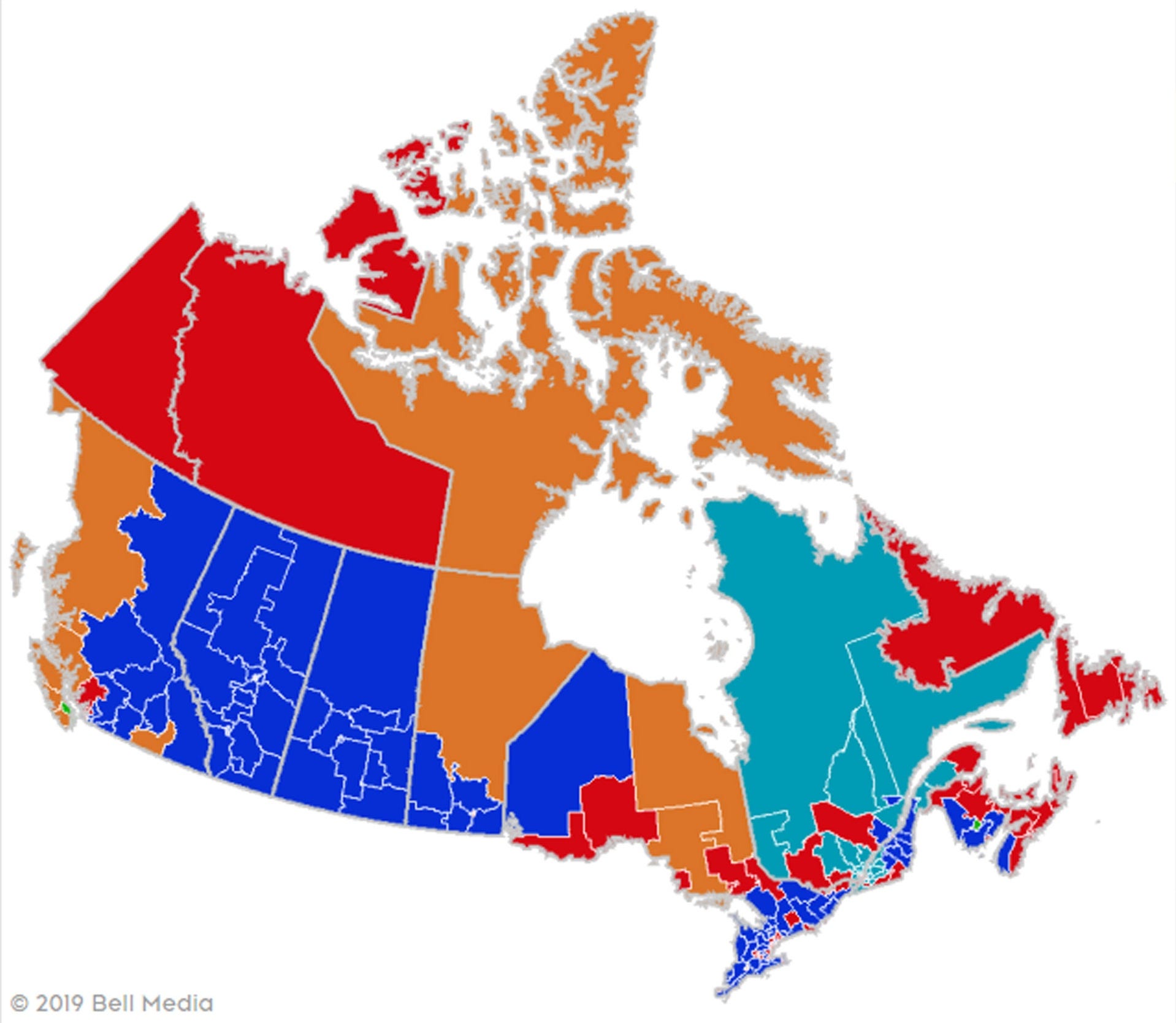
Blue is most conservative Red is most ignorant. You could probably work the big blue area in the west into 1 new state and add the rest to Rural Washington while that little blip of red could be added to the batshit crazy part of Washington for a 52nd state. Then add those blue areas in the east to states closest to them and then just wall off the red areas and shoot them if they venture outside.

He pointed at the Dems when he talked about human traffickers and child molesters.
I think that was a message. “We know”
For our resident vikings:
View attachment 230671
Imagine uncovering a 1,200-year-old relic that offers an intimate glimpse into the daily life of Vikings—albeit in a rather unexpected form. Discovered in 1972 beneath the site of a Lloyds Bank branch in York, England, the Lloyds Bank Coprolite is the largest known fossilized human excrement ever found. Measuring approximately 8 inches in length and 2 inches in width, this ancient stool provides invaluable insights into Viking diet and health.
Analysis reveals that its creator's diet predominantly consisted of meat and bread, with minimal vegetable intake. Additionally, the presence of parasitic eggs indicates the individual suffered from intestinal worms, highlighting the health challenges of the era.
Valued at around $39,000, the coprolite was described by palaeoscatologist Andrew Jones as "as irreplaceable as the Crown Jewels." After a brief mishap in 2003, where it broke into three pieces during an exhibition, the coprolite was meticulously restored and now resides at the Jorvik Viking Centre in York.
This unique artifact continues to fascinate visitors, offering a tangible connection to the past and a testament to the rich history of Viking civilization.
- Status
- Not open for further replies.


Support Free Speech
- Current cycle
- $0.00
- Total amount
- $890.17